

Blog
The Art and History of Chinese Porcelain Craft

The Origins of Porcelain in China
The history of porcelain in China can be traced back to the Tang dynasty (618-907 AD), a period marked by significant advancements in the craft of ceramic production. The initial attempts at porcelain-making involved the use of kaolin clay, a crucial ingredient known for its fine texture and whiteness. This clay was combined with feldspar, which acted as a flux, facilitating the melting process during firing. The introduction of these materials laid the foundation for the transformation of ceramics into the finer product we recognize today as porcelain.
The evolution of porcelain continued through the Song dynasty (960-1279 AD), where innovations in kiln technology allowed for higher firing temperatures. This advancement resulted in the production of more durable and translucent porcelain. The aesthetic qualities of porcelain began to draw significant attention, and its popularity spread among the elite, further elevating its status in the cultural and artistic spheres of Chinese society.
Significant archaeological discoveries have unveiled ancient kilns, particularly in regions like Jingdezhen, known as the “Porcelain Capital.” These kilns provided insight into the production methods and artistic practices of various dynasties. Excavations have also revealed exquisite porcelain artifacts, showcasing intricate designs and the exquisite craftsmanship that defined this material. The porcelain produced during these eras was not merely functional but was celebrated for its artistry, often featuring blue-and-white decorations that would later become one of the most iconic styles of Chinese porcelain.
Overall, the historical development of porcelain in China, from its humble beginnings in the Tang dynasty to its flourishing in subsequent periods, highlights a journey marked by innovation and cultural significance. This rich heritage solidified porcelain’s role as a distinguished symbol of luxury and creativity, which continues to be revered globally today.
Techniques and Styles in Porcelain Crafting
Chinese porcelain crafting is a time-honored tradition that reflects both technical skill and artistic expression. The fundamental techniques employed in porcelain production include throwing, glazing, and firing, each playing a critical role in the quality and aesthetic of the finished product. The initial step, throwing, involves shaping the clay on a potter’s wheel to create various forms, such as bowls, vases, and plates. The mastery of this technique is crucial, as it determines the structural integrity of the piece.
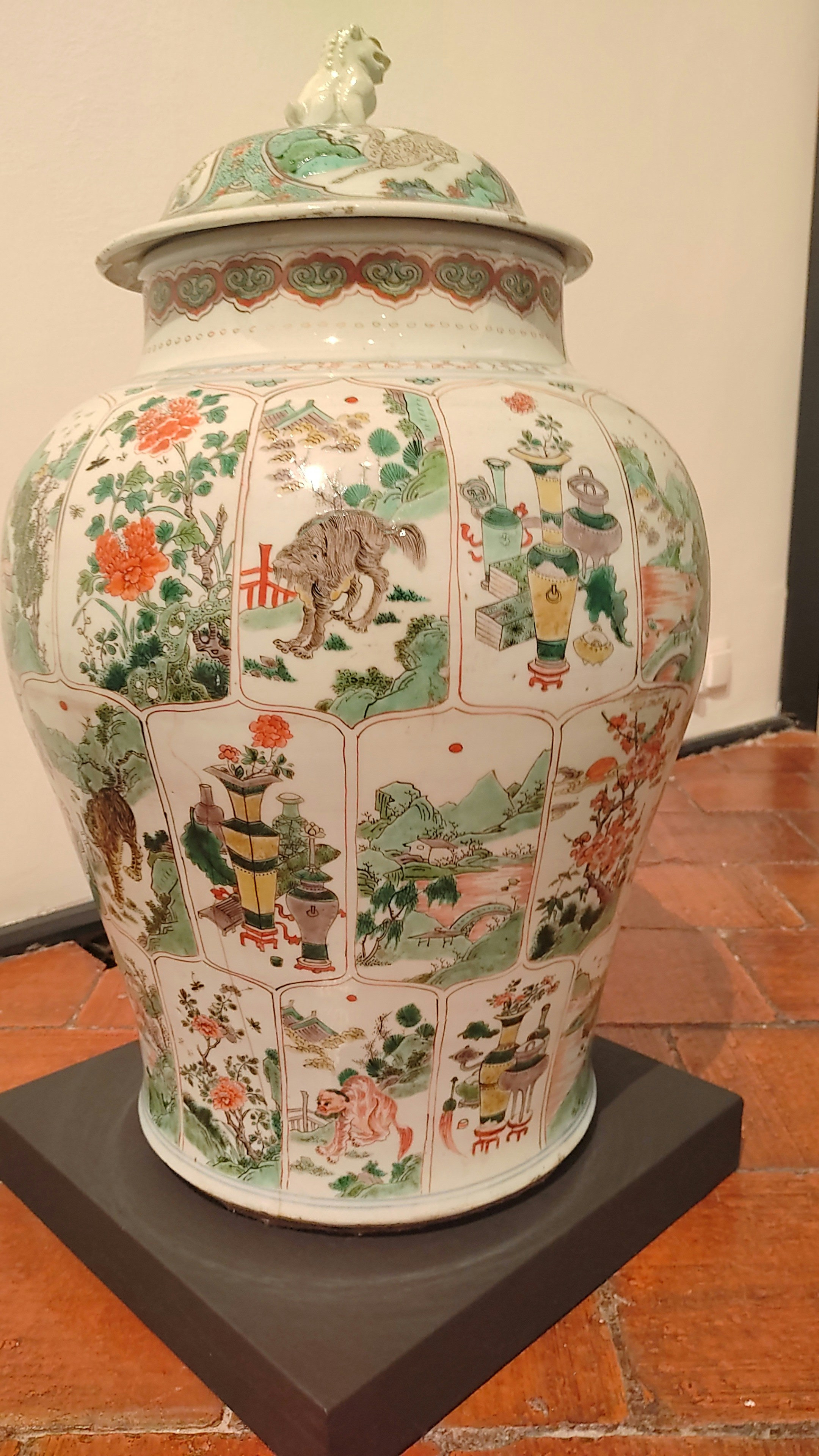
Once the shapes are formed, glazing becomes the next pivotal step. Glazing not only adds a protective layer to the porcelain but also introduces color and luster. Chinese artisans have experimented with an extensive array of glazes throughout history, leading to distinct styles like the famous Ming blue-and-white porcelain. This particular style is characterized by its cobalt blue underglaze, which depicts intricate designs that often embody auspicious symbols. The evolution of glazing techniques continued into the Qing Dynasty, giving rise to the famille rose palette, recognizable by its vibrant colors and multifaceted themes.
The firing process finalizes the creation, where pieces are subjected to high temperatures in a kiln. This stage is essential, as it transforms the clay into a durable ceramic material while also affecting the glaze’s appearance. Each historical period has contributed to a unique visual language in porcelain. Throughout its development, notable master craftspeople have significantly influenced porcelain aesthetics, pushing the boundaries of traditional practices. Innovations in glazes and finishes have continued to define Chinese porcelain craftsmanship, making it an enduring art form celebrated across the globe. The intricacies of these techniques and styles reflect not just skills and materials but a deep cultural heritage that has evolved over centuries.
Cultural Significance of Chinese Porcelain
Chinese porcelain holds a prominent place in Chinese culture, reflecting not only aesthetic beauty but also profound social and cultural significance. Traditionally, porcelain items were crafted for utility and beauty, becoming integral to various aspects of life in imperial China. These delicate wares served practical functions in everyday life while also being utilized in formal celebrations and ceremonies. The stunning glazes and intricate designs symbolized prosperity, meaning that porcelain was often gifted during auspicious occasions, such as weddings and festivals, reinforcing communal ties and traditions.
Moreover, porcelain served as a status symbol among the elite, with intricate designs that showcased wealth and sophistication. Items such as vases, dishes, and tea sets were not merely functional objects; they were artistic expressions that spoke of the owner’s social status and cultural refinement. The craftsmanship behind these items made them highly sought after, leading to porcelain’s role as a valuable commodity in domestic and international trade.
The influence of Chinese porcelain extended well beyond its borders, particularly during the Silk Road era when it was exported to various parts of the world. This trade exemplified significant cultural exchanges, with porcelain often exchanged for valuable goods and ideas. As a result, China’s porcelain became a luxury item in places like Europe, impacting local artistic traditions and inspiring the development of similar ceramics in other cultures. The fascination with Chinese porcelain has persisted into modern times, influencing contemporary ceramics globally.
Today, modern interpretations of porcelain continue to reflect historical traditions while incorporating innovative techniques and design philosophies. This blend of authenticity and contemporary artistry allows for the ongoing appreciation of Chinese porcelain’s rich legacy, ensuring that its cultural significance endures. In conclusion, Chinese porcelain remains a vital cultural symbol, bridging the past with the present, both domestically and internationally.
Preserving the Legacy of Chinese Porcelain Craft
The preservation of Chinese porcelain craft is a critical endeavor as traditional methodologies confront the pressures of modernization and globalization. In recent years, various organizations, both governmental and non-governmental, have actively sought to promote the unique heritage of porcelain-making through exhibitions, workshops, and cultural programs. These initiatives aim to educate the public about the intricate techniques involved in crafting porcelain, thereby fostering a greater appreciation for this art form.
Educational programs at universities and art schools have emerged, dedicating resources to porcelain studies. These programs not only teach the historical significance and technical skills necessary for crafting porcelain but also encourage creative experimentation. By engaging younger generations in porcelain artistry, these institutions aspire to revitalize interest in this age-old craft, ultimately ensuring its continuity. However, one of the main challenges remains the competition posed by mass production. Artisans often struggle to compete with the affordability and accessibility of machine-made products, leading to a decline in appreciation for handcrafted porcelain.
Additionally, many skilled artisans are aging, with fewer young apprentices willing to take up the craft due to the demanding nature of the work and the limited financial incentives. This generational gap poses a significant threat to the future of traditional porcelain-making techniques. Nonetheless, some artisans are finding innovative ways to adapt their craft to contemporary tastes while maintaining a respect for traditional methods. This includes experimenting with modern designs and incorporating new materials, thereby attracting a broader audience.
In conclusion, the efforts to preserve the legacy of Chinese porcelain craft reflect the resilience of this artistic tradition in the face of contemporary challenges. By engaging educational initiatives and embracing innovation while honoring established techniques, the future of Chinese porcelain can remain vibrant and relevant in a rapidly changing world.