
Blog
The Art of Tenmoku Teacups: A Journey Through Tradition and Craftsmanship

Introduction to Tenmoku Teacups
Tenmoku teacups, with their rich history and distinct aesthetic, play a significant role in Japanese tea culture. Originating from ancient China, the term “Tenmoku” refers to a specific type of glaze that was first developed during the Song Dynasty. This glazing technique was characterized by its dark, glossy finish, often showcasing variations of deep brown to deep black hues. The name itself is derived from the Japanese pronunciation of the Chinese term “Tianmu,” which relates to the famous Tianmu Mountain in Zhejiang province, well-known for its exquisite pottery and tea ware.
As Japanese artisans embraced this technique, Tenmoku glazes underwent a transformation that enhanced their unique visual qualities and usability in traditional tea ceremonies. By the time of the Kamakura period (1185-1333), these teacups began to gain popularity in Japan. The aesthetic appeal of Tenmoku teacups lies not only in their rich, earthy colors but also in the intricate patterns created by the glaze during the firing process. Each teacup can be considered a work of art, as no two glazes are ever precisely alike, reflecting the natural variations present in the materials and firing conditions.
In the context of Japanese tea ceremonies, Tenmoku teacups are cherished not only for their beauty but also for their functional properties. The thickness of the clay and the glazing technique ensure that beverages maintain their temperature, providing an ideal experience for enjoying high-quality teas. Over centuries, Tenmoku teacups have evolved, incorporating new styles and techniques that continue to honor their historical roots while appealing to contemporary tastes. As such, these teacups symbolize the deep connection between Japanese culture, craftsmanship, and the art of tea, making them a treasured element in both tradition and modernity.
The Unique Characteristics of Tenmoku Glaze
Tenmoku glaze, known for its deep, rich colors and striking visual qualities, holds a unique place in the world of ceramics. One of its most distinctive features is the color variation it produces during the firing process. Ranging from dark brown to deep black, Tenmoku can showcase subtle undertones of green or even red, depending on the iron content and temperature of the kiln. This color spectrum delivers an aesthetic appeal that is both versatile and captivating, making each piece a work of art that maintains an air of individuality.
The texture of Tenmoku glaze contributes significantly to its character. Unlike smoother glazes, Tenmoku often exhibits a somewhat uneven surface that can include vibrant streaks and speckles. This variation in texture can come from the specific application techniques used by artisans, as well as the clay body underneath the glaze. Consequently, as light interacts with the uneven surface, it creates an enchanting interplay of shadows and highlights, enhancing the visual experience of the teacups.
Another aspect that sets Tenmoku apart is its unique firing process. Typically fired at high temperatures, these glazes undergo a reduction atmosphere, resulting in the characteristic luster that Tenmoku is famous for. During this firing process, the availability of oxygen is restricted, allowing the iron in the glaze to react in complex ways. This chemistry is vital, as it determines the final appearance, texture, and even the durability of the glaze. The mastery of this process requires not only technical skill but also a deep understanding of material science, enabling potters to create teacups that are both functional and exquisite.
Cultural Significance of Tenmoku Teacups in Japanese Tea Ceremonies
Tenmoku teacups hold a significant place in Japanese tea ceremonies, which are deeply rooted in the country’s cultural heritage and social practices. The essence of these ceremonies is centered around the concept of ‘wabi-sabi,’ which embraces simplicity, humility, and the beauty of imperfection. The natural elegance and understated design of Tenmoku teacups perfectly align with these values, enhancing the overall tea-drinking experience.
Each Tenmoku teacup is meticulously crafted, often showcasing a unique glaze that reflects the natural elements of the world. This connection to nature resonates with the principles of harmony and balance that are essential in a traditional tea ceremony. The act of serving and drinking tea from these handcrafted cups fosters a sense of mindfulness and presence, allowing participants to appreciate both the tea and the craftsmanship of the vessel that holds it. This shared experience emphasizes the importance of community and connection during the ceremony.
Moreover, the role of Tenmoku teacups extends beyond mere functionality; they are regarded as symbols of status and artistic expression. In many tea ceremonies, the selection of the teacup can convey the host’s deeper intentions, taste, and respect for the guests. Thus, Tenmoku teacups serve not only as vessels for tea but also as artifacts that encapsulate the ideals of Japanese aesthetics and cultural values.
Additionally, the use of these teacups during tea ceremonies offers participants an opportunity for reflection and tranquility. The simple act of savoring tea from a beautifully crafted Tenmoku cup encourages a slower pace of life, inviting individuals to pause and engage with the moment fully. This contemplative atmosphere is fundamental to the experience of traditional Japanese tea ceremonies, showcasing how Tenmoku teacups play a vital role in fostering appreciation for art, nature, and community.
The Craftsmanship Behind Tenmoku Teacups
Tenmoku teacups are a remarkable product of artistry and skill, honed over centuries by dedicated artisans. The craftsmanship associated with these teacups is notable, as it involves a deep respect for traditional methods and an understanding of the materials utilized. Generally crafted from high-quality stoneware or porcelain, the creation process begins with the careful selection of clay, which significantly impacts the final appearance and function of the teacup.
The artisans typically use a potter’s wheel to shape the teacups, a practice that demands both precision and an acute sense of balance. The skillful manipulation of the clay allows for the creation of unique forms, each bearing the individual touch of the craftsman. After molding, the teacups must undergo a series of drying processes to ensure stability before being subjected to high-temperature firing in a kiln, which solidifies their structure.
An essential aspect of Tenmoku teacups is their distinctive glazes, often defined by rich, dark tones that evoke a sense of sophistication. The artisans apply multiple layers of glaze, utilizing traditional formulas that have been passed down through generations. The glazing process involves not only artistic design but also scientific understanding, as different temperatures and atmospheric conditions in the kiln can produce varying results. This unpredictability adds character to each teacup, making every piece truly one-of-a-kind.
The culmination of these efforts is a harmonious blend of aesthetic appeal and functionality. Tenmoku teacups are not just vessels for tea; they embody a legacy of craftsmanship that continues to evolve while maintaining its roots in tradition. The meticulous attention to detail and unwavering dedication of the artisans ensure that each teacup serves as a testament to the enduring art of Tenmoku pottery.
Exploring Variations of Tenmoku Teacups
Tenmoku teacups exhibit a fascinating array of variations that reflect both tradition and the artistry of their craftsmanship. Made from stoneware or porcelain, these teacups are renowned for their rich, glossy glazes that can range in hues from deep black to shades of brown and even subtle greens. The variations in color are often a result of the firing techniques used, which create a unique finish on each cup. Collectors and enthusiasts alike appreciate these distinct features, as they not only signify the tea culture’s depth but also provide a window into the potter’s skill and creativity.
In terms of shape, Tenmoku teacups can manifest in several styles. The traditional bowl shape is commonly seen, designed to enhance the aroma of the tea while allowing for a comfortable grip. However, contemporary artists may experiment with geometrical designs, incorporating angular facets or asymmetrical forms that stand in stark contrast to historical counterparts. Such variations can significantly influence the drinking experience; for instance, a broader cup may allow for better heat retention, while a narrower one can intensify the tea’s fragrance.
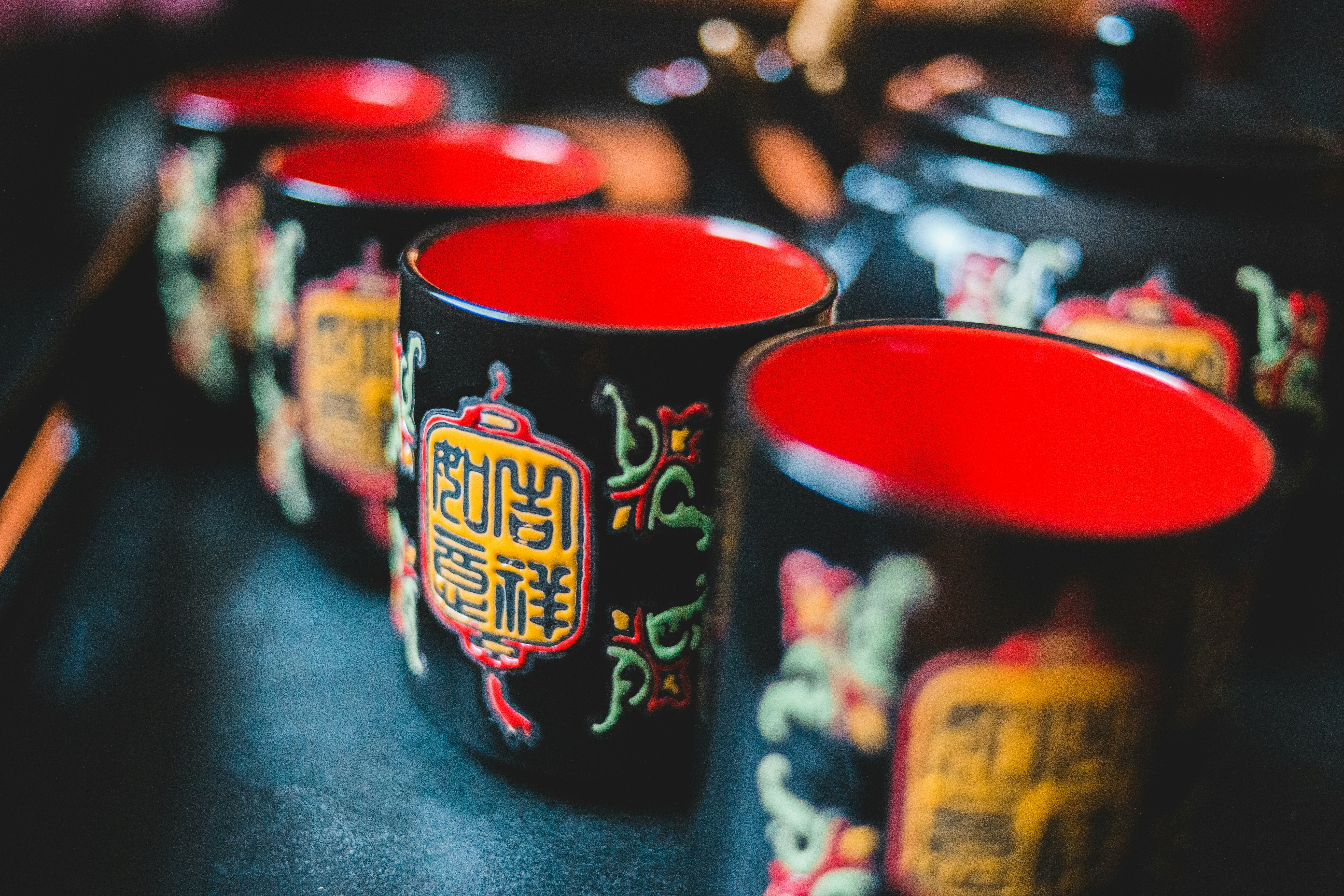
Size is another factor that cannot be overlooked. Tenmoku teacups are available in various sizes, catering to both personal preference and cultural practices. Larger cups may offer a more social drinking experience, suitable for sharing, while smaller cups are often favored for personal enjoyment, allowing for a serene moment of solitude. Additionally, artistic embellishments, such as etchings or carved patterns, provide each cup with a distinct character. Ultimately, these variations not only celebrate the artistry behind Tenmoku teacups but also invite users to engage in different ways with the tea they enjoy, enhancing both the aesthetic and sensory experience.
Caring for Your Tenmoku Teacups
Maintaining the beauty and longevity of Tenmoku teacups requires careful attention to detail in their daily use and storage. To begin with, washing Tenmoku teacups should be done with care. It is recommended to hand wash these delicate creations using a soft sponge or cloth. Avoid abrasive scrubbers or strong detergents, as they can damage the intricate glaze and finish. A gentle dish soap diluted in lukewarm water is usually sufficient to remove any tea stains or residue, preserving the integrity of the glaze.
When it comes to drying, avoid using a dish rack or an air-drying method that exposes the cups to dust and debris. Instead, opt for a clean, lint-free towel to ensure they stay free from scratches while drying. This meticulous drying process will help maintain the aesthetic appeal and tactile quality of the Tenmoku surface.
Storage of your Tenmoku teacups is another essential aspect of care. It is advisable to place them in a dedicated storage area, preferably lined with a soft material to prevent any accidental collisions that might lead to chips or cracks. A display cabinet or a dedicated shelf can be ideal, as it protects the cups from dust and potential damage while showcasing their beauty. Additionally, avoid stacking Tenmoku teacups on top of each other, as this can lead to chipping of the delicate edges.
Furthermore, it is crucial to keep Tenmoku teacups away from extreme temperature changes. Rapid temperature shifts may cause thermal shock, potentially leading to cracks or breaks. Be cautious with hot beverages; allow them to cool slightly before pouring them into the cup. Lastly, avoid using Tenmoku teacups in microwaves or dishwashers, as these appliances can adversely affect their finish and structural integrity.
Tenmoku Teacups in Contemporary Use
In recent years, Tenmoku teacups have experienced a resurgence in popularity, drawing the interest of tea enthusiasts and collectors alike. Known for their rich, dark glazes and unique aesthetics, these teacups are being reinterpreted and integrated into modern tea culture, bridging traditional approaches with contemporary design sensibilities. With increasing global interest in artisanal products, Tenmoku teacups serve as a striking testament to the fusion of history and modernity in the world of ceramics.
Tea enthusiasts appreciate Tenmoku teacups not only for their beauty but also for their functional benefits. The thick walls of these teacups retain heat, ensuring that the tea remains warm longer, which is particularly attractive to those who value the sensory experience of savoring each sip. This emphasis on the ritualistic aspect of tea drinking resonates with many modern consumers who seek mindfulness in their everyday lives.
Moreover, contemporary artisans are finding innovative ways to reinterpret these traditional pieces. By experimenting with form, color, and texture, they are creating Tenmoku teacups that resonate with a wider audience. The introduction of minimalist designs or incorporating mixed materials has helped these cups to transcend their historical roots, appealing to modern aesthetics while still maintaining the essence of their origin. Collectors are particularly drawn to unique pieces that reflect this blend of old and new, with many seeking out limited editions or collaborations that showcase the craftsmanship involved in their creation.
Furthermore, the growing trend of sustainable practices in the ceramics industry aligns well with the handcrafted nature of Tenmoku teacups. Many modern artisans prioritize eco-friendly materials and techniques, offering consumers a choice that not only meets aesthetic needs but also supports sustainable values. This emphasis on quality and sustainability ensures that the tradition of Tenmoku teacups continues to thrive in contemporary settings, celebrating both heritage and innovation.
Where to Find Authentic Tenmoku Teacups
Finding authentic Tenmoku teacups can be an enriching experience, blending the thrill of discovery with the appreciation of fine craftsmanship. When seeking to purchase these unique teacups, there are several reputable avenues to consider that will ensure authenticity and quality.
One of the most reliable sources for Tenmoku teacups is specialized online retailers that focus on traditional Japanese ceramics. Websites like O-Cha and JapaneseTeaCup provide a curated selection of genuine Tenmoku teacups, often accompanied by detailed descriptions of their origins and artisans. The convenience of online shopping combined with a focus on authenticity makes these platforms essential for any tea enthusiast.
In addition to online shopping, local artisan markets and craft fairs can be excellent venues to explore. Many skilled potters and ceramicists produce Tenmoku teacups that reflect traditional techniques. Engaging directly with the artisans not only ensures that you are purchasing an authentic piece but also provides an opportunity to learn about the processes involved in creating these remarkable items. Attending local craft fairs or visiting artist studios can be an enriching experience for those interested in the artisanal aspect of Tenmoku.
Specialized tea shops also serve as suitable locations for locating authentic Tenmoku teacups. These establishments often carry a selection of high-quality tea ware, including traditional options. When visiting such stores, it is helpful to inquire about the origin of the teacups, as knowledgeable staff can provide valuable insights into the craftsmanship and the specific characteristics of authentic Tenmoku pieces.
While purchasing, it is essential to be mindful of certain characteristics that indicate authenticity. Genuine Tenmoku teacups feature a deep, glossy finish and often exhibit unique variations in color and texture, a testament to the handmade nature of the pieces. By staying informed and utilizing these resources, collectors can successfully navigate the marketplace and acquire exquisite Tenmoku teacups for their collections.
Conclusion: Why Tenmoku Teacups Are a Must-Have
In the world of tea culture, the choice of teacup can profoundly influence the overall experience of savoring tea. Tenmoku teacups stand out not only for their exceptional craftsmanship but also for their historical significance and aesthetic appeal. These unique pieces, characterized by their deep, rich glazes, exemplify the beauty of traditional Japanese ceramic art. Each cup tells a story, drawing upon centuries of artisanal skill and cultural heritage, which adds a unique layer of appreciation for tea enthusiasts.
The striking visual aspects of Tenmoku teacups serve as a testament to the mastery of the potters who create them. The variations in color and texture—from the glossy blacks to the depths of umber and hints of green—offer a sensory delight that complements the varying hues of different teas. This harmonious interplay enhances the enjoyment of each sip, allowing tea drinkers to engage with their beverage on a deeper emotional level.
Beyond their beauty, the cultural significance of Tenmoku teacups cannot be overlooked. They are not just vessels for tea; they are also a reflection of the mindfulness and ritual that accompanies tea drinking. Originating in China and later embraced by Japanese tea culture, these teacups symbolize a connection to tradition, making them an essential part of any tea lover’s collection. The use of Tenmoku teacups can elevate a simple tea session into a rich, contemplative experience, inviting moments of pause and appreciation.
For those who cherish tea and value the blend of tradition, craftsmanship, and aesthetic pleasure, Tenmoku teacups are undoubtedly a must-have. Their rich heritage and ability to enhance the enjoyment of tea make them an invaluable addition to any collection, enriching the practice of tea drinking in ways that go beyond mere functionality.